Table Games That Balance Skill and Planning
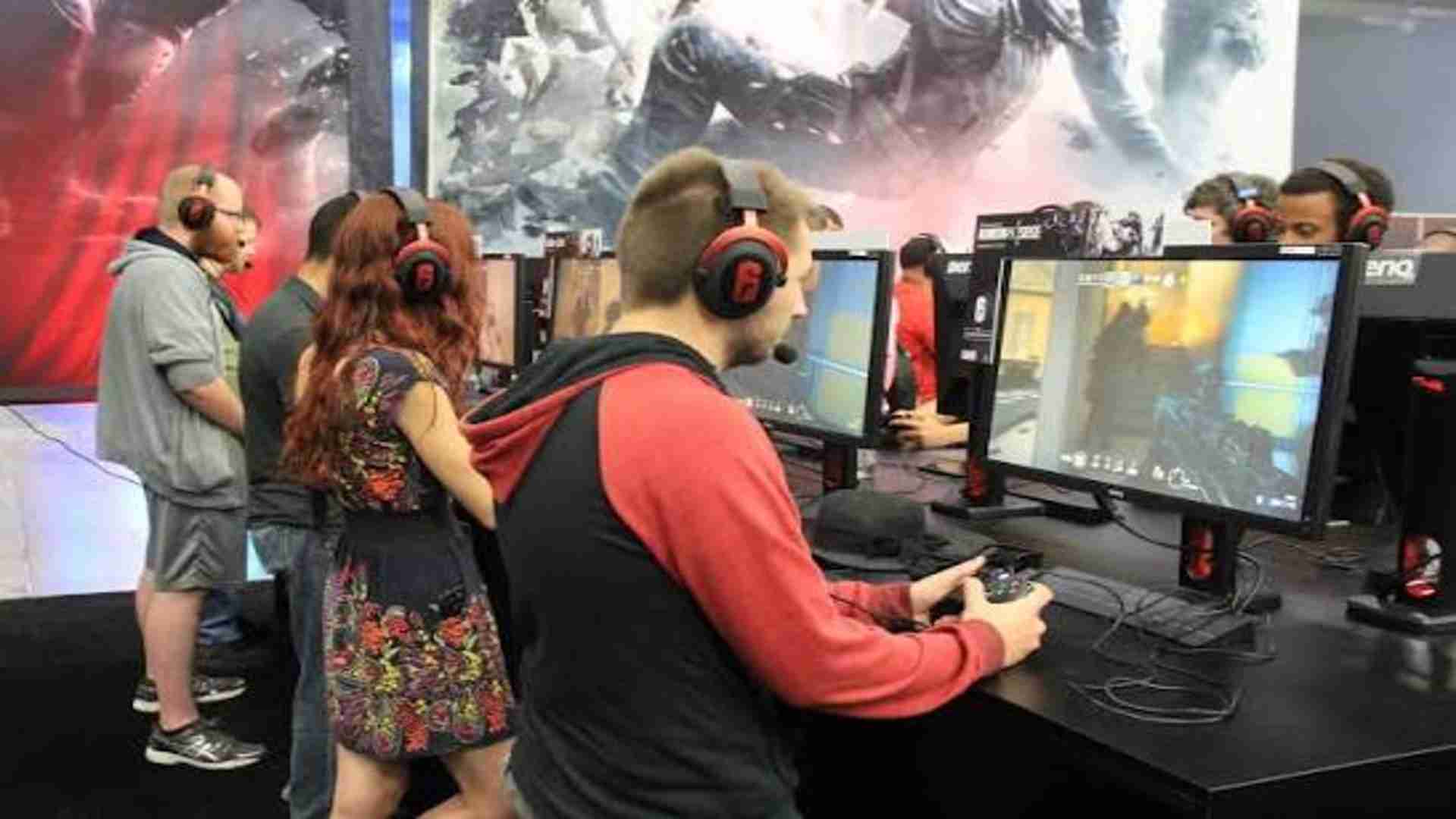
Tabletop gaming has evolved significantly over the years, transforming from simple activities of pure luck into deeply engaging experiences that challenge the human mind. Games that successfully balance immediate tactical skill with long-term strategic planning offer a unique form of mental stimulation. This perfect equilibrium keeps players coming back, as every session presents fresh scenarios that cannot be solved by repeating the same moves.
The Harmony of Tactics and Strategy
In many classic table games, success is not determined by a single clever turn or an unexpected stroke of good fortune. Instead, the most rewarding experiences demand that players think several steps ahead while remaining flexible enough to adapt to their opponents' actions. This dual requirement forces you to constantly evaluate your position, balancing immediate defensive needs with your overarching road to victory.
By learning how to manage these competing priorities, players can dramatically sharpen their analytical thinking and decision-making capabilities. This cognitive workout is one of the primary reasons why modern strategy games continue to grow in global popularity. Achieving a balance between short-term tactics and long-term planning turns every round into a captivating intellectual puzzle.
Card Games That Reward Forward Thinking
Certain card-based table games serve as perfect examples of how probability and deliberate planning interact. While the distribution of cards introduces an element of chance, your ability to calculate odds and predict opponent behaviors ultimately decides the outcome. Players must constantly weigh the potential risks of a bold move against the safer, more conservative alternatives available to them.
To experience these exciting dynamics and put your analytical abilities to the test, you can explore premium gaming environments like M88.com from the comfort of your home. Engaging with these structured formats allows you to practice key decision-making skills in real-time. Over time, consistent practice helps players recognize subtle patterns and execute highly complex strategic plans with confidence.
The Role of Resource Management
Many modern board games introduce the concept of resource management to further enhance the depth of tactical play. In these scenarios, players must allocate limited assets, such as currency, territory, or action points, to achieve specific milestones. Failing to plan your resource distribution early in the game often leaves you vulnerable during the critical final rounds.
This necessity teaches participants the value of patience and calculated sacrifice, as temporary setbacks can lead to eventual victory. Balancing your current resource spending with future developmental goals creates a highly satisfying gameplay loop. Ultimately, the players who can best synchronize their immediate choices with their final objectives will consistently emerge victorious.